




Sunglasses may look like a simple fashion accessory, but when you're choosing a pair for a child, there's more to consider than colour and style.
Kids' sunglasses and adult sunglasses can differ in size, fit, lens coverage, frame construction, comfort, and design. A pair that looks great on an adult may simply be too large, heavy, or uncomfortable for a child.
This is especially important because children spend plenty of time outdoors, whether they're playing in the park, travelling, going to the beach, or simply heading to school.
So, what is the actual difference between kids and adult sunglasses? Can children wear adult sunglasses? And how do you know when it's time to move up to a larger frame?
Let's break it down.
Kids vs Adult Sunglasses: What's the Difference?
The biggest difference is fit and proportion.
Children generally have smaller faces and narrower bridges than adults, so kids' sunglasses are designed with smaller frame dimensions.
Here's a quick comparison:
| Feature | Kids' Sunglasses | Adult Sunglasses |
| Frame size | Smaller | Larger |
| Bridge width | Narrower | Wider |
| Lens size | Smaller | Larger |
| Face coverage | Designed for smaller faces | Designed for adult proportions |
| Weight | Usually lightweight | Can be heavier |
| Styling | Playful, colourful and trendy | Wider range of fashion styles |
| Fit | Designed for children's facial proportions | Designed for mature facial proportions |
| Best suited for | Babies, toddlers, children and younger teens | Older teens and adults |
However, age isn't the only factor.
A child's actual face size matters more than their age when choosing sunglasses.
Why Do Kids Need Different Sunglasses?
Children aren't simply smaller adults. Their facial proportions are different, and sunglasses need to sit comfortably on the face to provide useful coverage without constantly slipping.
A properly fitted pair should:
- Sit comfortably on the nose
- Stay in place during normal movement
- Cover the eyes adequately
- Avoid pressing against the cheeks
- Feel lightweight
- Allow the child to see clearly
- Be comfortable enough to wear outdoors
If a frame is too large, it may slide down the nose or leave uncomfortable gaps around the sides.
If it's too small, it may press against the temples or cheeks.
That's why fit matters more than choosing sunglasses based solely on age.
1. Frame Size Is the Biggest Difference
Adult sunglasses are generally designed around larger facial dimensions.
Kids' sunglasses usually have:
- Smaller lens widths
- Narrower bridges
- Shorter temple arms
- Smaller overall frame dimensions
This doesn't mean every child needs a children's frame.
Older children and teenagers may already have facial proportions that suit smaller adult frames.
The important thing is to check how the sunglasses actually fit.
2. UV Protection Matters for Both Kids and Adults
One of the most important things to look for in sunglasses is UV protection.
This applies to children just as much as adults.
When shopping for sunglasses, don't choose a pair simply because the lenses are dark or the frame looks stylish.
Dark lenses do not automatically mean better UV protection.
Look for sunglasses that clearly state their UV protection specifications.
For everyday outdoor use, parents should prioritise proper UV protection over colour, branding, or appearance.
3. Lens Coverage Can Be Different
Kids' sunglasses often use proportions that provide suitable coverage for smaller faces.
Good coverage helps reduce the amount of bright light reaching the eyes from different angles.
For children who spend a lot of time outdoors, consider frames that fit securely and provide adequate coverage without being oversized.
For adults, larger frames can be a fashion choice as well as a way to increase coverage.
The important factor for both age groups is that the frame should fit the face properly.
4. Comfort Is Especially Important for Children
Adults are more likely to tolerate an uncomfortable pair of sunglasses for the sake of style.
Children usually won't.
If the sunglasses feel heavy, pinch behind the ears, slide down repeatedly, or sit awkwardly on the nose, there's a good chance they'll end up in a backpack instead of on the child's face.
Look for:
- Lightweight frames
- Comfortable nose bridges
- Properly sized temples
- Secure but comfortable fit
- Smooth frame edges
The best kids' sunglasses are the ones children actually want to wear.
5. Kids' Sunglasses Often Have More Playful Designs
This is where fashion comes into the picture.
Kids' sunglasses are available in fun colours, patterns and shapes designed around younger tastes.
You might find:
- Bright frames
- Colourful lenses
- Round sunglasses
- Cat-eye-inspired shapes
- Classic rectangular frames
- Fun prints
- Sporty designs
For older children and teenagers, fashion becomes increasingly important.
They may prefer styles that resemble the sunglasses worn by adults while still needing a smaller or more suitable fit.
Can Kids Wear Adult Sunglasses?

Yes, but only if the sunglasses fit properly.
There is no universal age at which a child should switch from kids' sunglasses to adult sunglasses.
Instead of asking:
"Is my child old enough for adult sunglasses?"
Ask:
"Do these sunglasses fit my child's face correctly?"
Adult sunglasses may work for teenagers or older children whose facial dimensions are large enough for the frame.
But an oversized adult frame isn't automatically better.
If it constantly slides down or extends too far beyond the face, choose a smaller frame.
When Can a Child Start Wearing Adult Sunglasses?
There's no single age that works for every child.
Children grow at different rates, and facial proportions vary considerably.
A child may be ready for an adult-sized frame when:
- Smaller frames feel too tight
- The frame sits comfortably on the nose
- The temples reach comfortably behind the ears
- The lenses provide appropriate coverage
- The frame doesn't press against the cheeks
- The sunglasses remain secure during normal movement
Teenagers are often able to wear adult styles, but the actual frame dimensions should still be checked.
Kids' Sunglasses vs Adult Sunglasses for Different Ages
Babies and Toddlers
For very young children, fit and comfort should be the priority.
Choose lightweight sunglasses designed specifically for smaller faces.
Look for a secure fit without excessive pressure.
Young Children
Children in this age group can benefit from sunglasses designed around smaller facial dimensions.
Colourful frames and fun shapes can also make it easier to encourage them to wear sunglasses outdoors.
As children grow, they may begin moving towards larger frame sizes.
This is a good time to consider both fit and personal style.
Teenagers often have much more flexibility.
Depending on facial size, they may be comfortable wearing either larger kids' frames or smaller adult frames.
At this stage, style preferences can become just as important as practicality.
How Should Kids' Sunglasses Fit?
A good fit should feel secure without being tight.
Check these areas before buying.
The Nose
The frame should sit comfortably without constantly sliding down.
The Temples
The arms shouldn't squeeze the sides of the head.
The Ears
The temple arms should sit comfortably without pressing behind the ears.
The Cheeks
The lower edge of the frame shouldn't constantly rest against the cheeks.
The Lenses
The lenses should provide suitable coverage without being so large that the frame overwhelms the child's face.
Are Bigger Sunglasses Better for Kids?
Not necessarily.
A larger frame can provide more coverage, but oversized sunglasses may fit poorly.
If the frame is too large:
- It may slide down
- The temples may extend too far
- The lenses may sit too far from the eyes
- The sunglasses may become uncomfortable
- The child may be less likely to wear them
The best sunglasses aren't necessarily the biggest ones.
They're the ones that provide the right combination of fit, coverage, comfort and protection.
Are Polarized Sunglasses Better for Kids?
Polarization and UV protection are not the same thing.
Polarized lenses are designed to reduce glare, which can be useful around reflective surfaces such as:
- Water
- Roads
- Snow
- Glass
- Bright outdoor environments
However, being polarized doesn't automatically tell you how much UV protection the sunglasses provide.
When choosing sunglasses for a child, consider UV protection first and polarization as an additional feature when appropriate.
Kids vs Adult Sunglasses: Which Is More Durable?
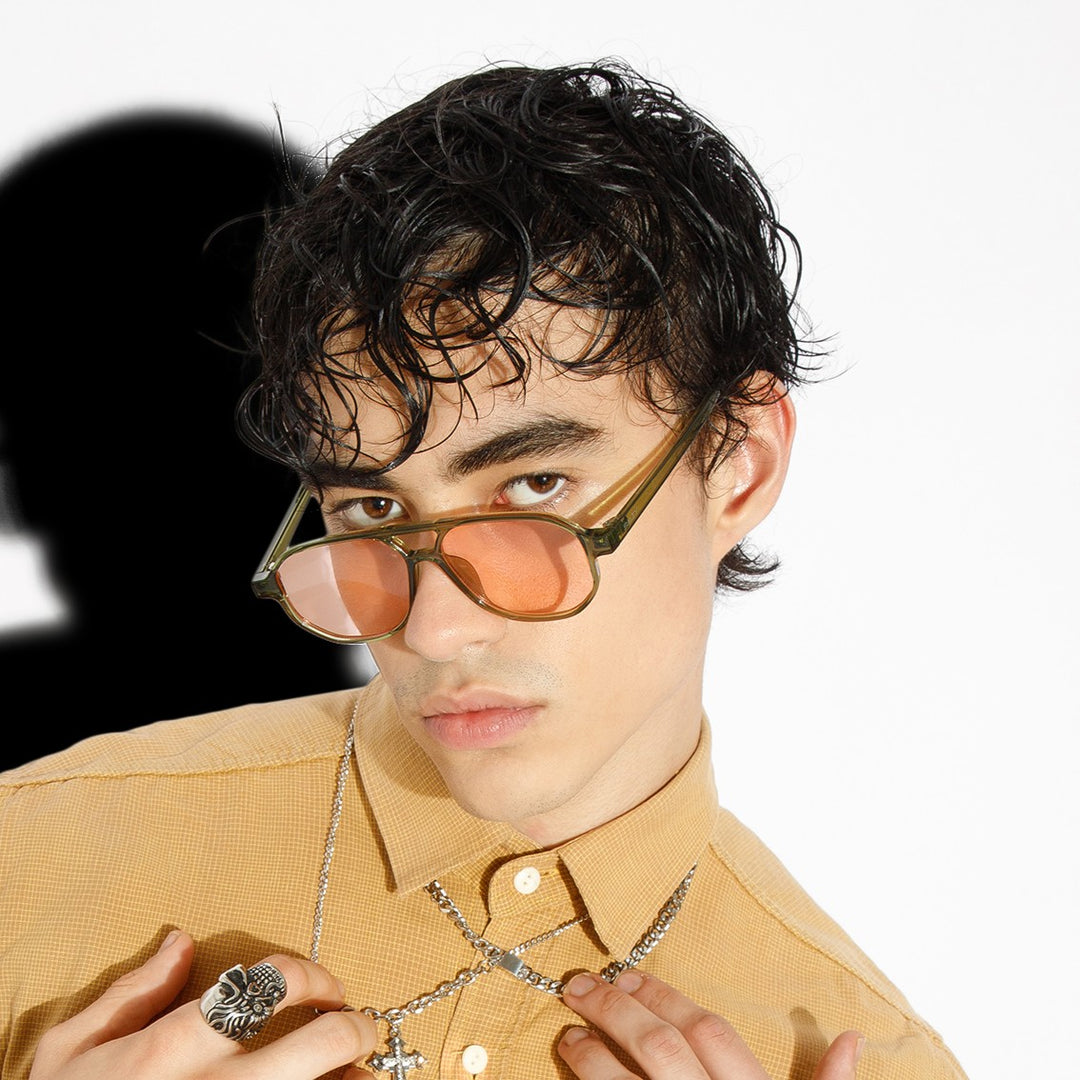
Children can be harder on accessories than adults.
Sunglasses may be:
- Dropped
- Thrown into bags
- Sat on
- Left outdoors
- Handled frequently
For this reason, frame durability is an important consideration when buying sunglasses for children.
Look for a construction that feels sturdy enough for everyday use while remaining lightweight and comfortable.
For younger children especially, avoid choosing a pair purely because it looks fashionable.
Choosing Sunglasses for Kids Based on Face Shape
Face shape can help when choosing a style, but fit should always come first.
Round Face
Rectangular or slightly angular frames can create visual contrast.
Square Face
Rounder or softer frame shapes can provide contrast with stronger facial angles.
Oval Face
Many frame shapes can work well, provided the proportions are suitable.
Heart-Shaped Face
Balanced, slightly wider styles can work well depending on the child's facial proportions.
Remember that children's faces change as they grow, so don't treat face shape as a strict rule.
Best Sunglasses Styles for Kids
Different styles can suit different personalities.
| Style | Best For | Overall Look |
| Round | Younger kids and trend-focused styles | Playful |
| Rectangular | Everyday wear | Modern |
| Wayfarer-inspired | Casual outfits | Classic |
| Aviator-inspired | Older kids and teens | Fashion-forward |
| Cat-eye | Trend-focused looks | Stylish |
| Sporty | Outdoor activities | Active |
The right choice depends on the child's age, face size, personal preference and intended use.
Kids vs Adult Sunglasses for Travel
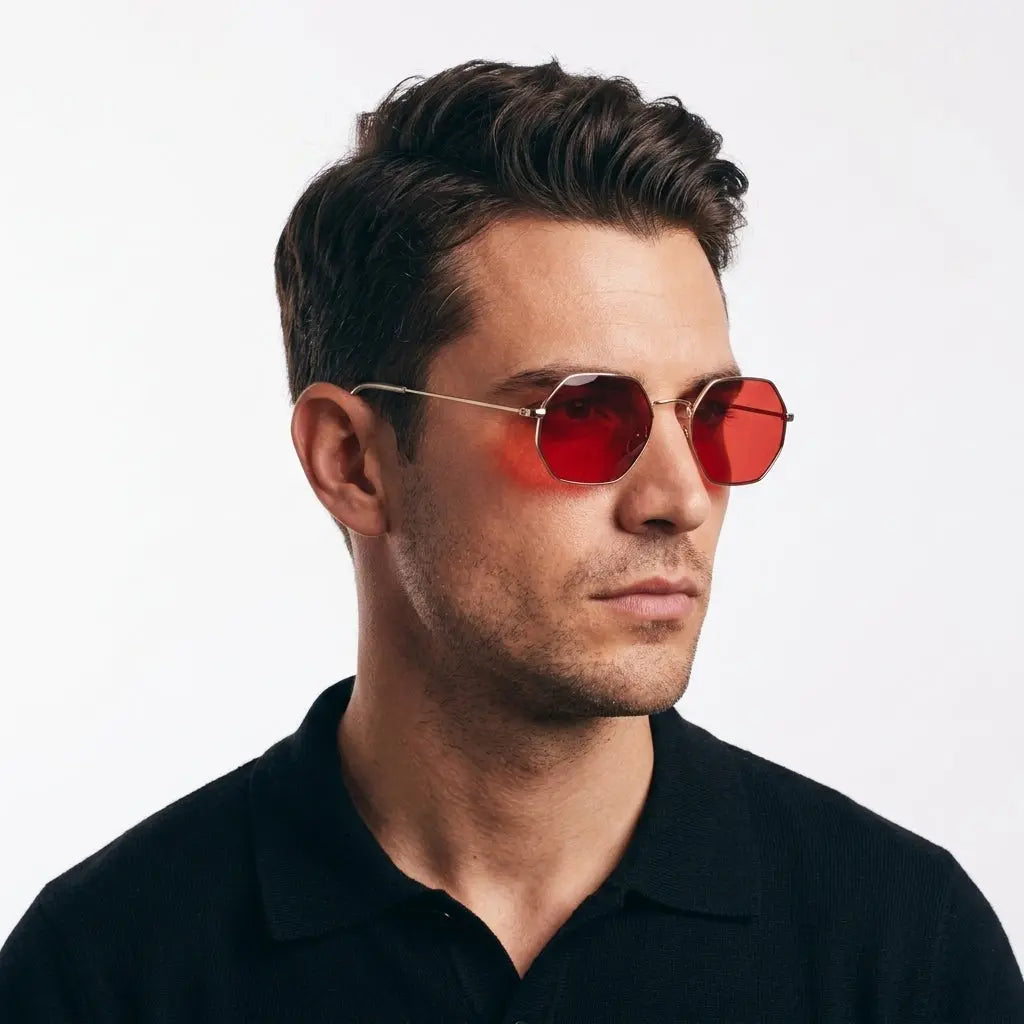
Travel is one situation where sunglasses can become an everyday essential.
Whether you're heading to a beach destination, taking a road trip, or spending a day sightseeing, children may be exposed to bright outdoor conditions for extended periods.
For travel, choose sunglasses that:
- Fit securely
- Are comfortable for extended wear
- Offer appropriate UV protection
- Are easy to carry
- Match the child's everyday wardrobe
A protective case can also help prevent scratches and damage when the sunglasses aren't being worn.
What About Sunglasses for Teenagers?
Teenagers sit somewhere between children's and adult fashion.
They may want the same styles they see on social media, celebrities or friends, but their facial proportions may still suit smaller frames.
This is where teen sunglasses can be particularly useful.
Instead of choosing strictly by the "kids" or "adult" label, compare:
- Frame width
- Lens width
- Bridge size
- Temple length
- Overall face coverage
A well-fitting smaller adult frame may work just as well as a larger kids' frame for some teenagers.
Kids' Sunglasses Are About More Than Just Style
When buying sunglasses for children, it's easy to focus on colour and appearance.
But the most important questions are:
Do they fit?
Are they comfortable?
Do they provide appropriate UV protection?
Will my child actually wear them?
Style still matters because children are more likely to enjoy wearing accessories they like.
The ideal pair combines both.
How to Choose the Right Sunglasses for Your Child
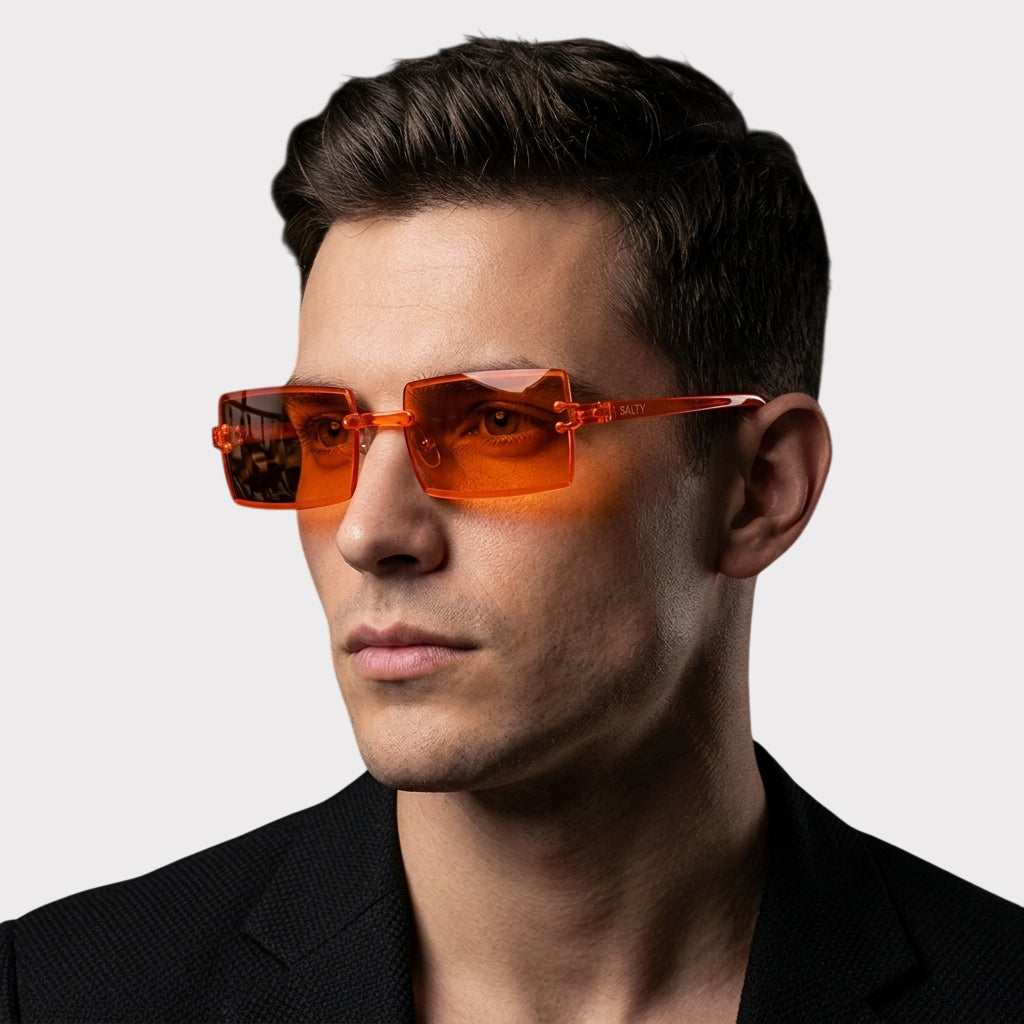
Use this simple checklist before buying:
1. Check the Size
Make sure the frame isn't too wide or too narrow.
2. Check the Fit
The sunglasses should stay comfortably in place.
3. Check UV Protection
Look for clearly stated UV protection rather than assuming dark lenses provide it.
4. Check the Weight
Lightweight sunglasses are generally more comfortable for children.
5. Check the Coverage
The lenses should provide suitable coverage without overwhelming the face.
6. Consider the Child's Style
Let them have some input. A pair they like is more likely to be worn.
7. Consider the Intended Use
Everyday wear, holidays, outdoor activities and fashion styling may call for different designs.
Kids vs Adult Sunglasses: Which Should You Buy?
The answer isn't simply kids' sunglasses for children and adult sunglasses for adults.
Age is a useful starting point, but fit is the deciding factor.
Choose kids' sunglasses when your child has smaller facial proportions and needs a frame designed for a younger face.
Consider smaller adult styles for older children or teenagers when the frame fits comfortably and provides suitable coverage.
Whatever you choose, prioritise:
UV protection + comfortable fit + appropriate coverage + durable construction + personal style.
That's the combination that makes sunglasses useful rather than simply fashionable.
Final Thoughts
The difference between kids' and adult sunglasses isn't just about the label on the box.
Frame dimensions, facial proportions, comfort, lens coverage and design all play a role in finding the right pair.
For younger children, sunglasses designed specifically for smaller faces are usually the easiest starting point. As children grow, they can gradually move into larger styles based on their actual fit rather than age alone.
And for teenagers, there's plenty of room to experiment with adult-inspired styles while still paying attention to frame dimensions.
Whether you're shopping for a beach holiday, a family trip, everyday outdoor wear, or simply a stylish accessory, choose sunglasses that fit well, offer appropriate UV protection and feel comfortable enough to wear all day.
Because the best pair of sunglasses for a child isn't necessarily the smallest or most fashionable pair.
It's the pair they'll wear comfortably whenever they're outside.
Frequently Asked Questions
Q. What is the difference between kids' and adult sunglasses?
The main differences are frame size, bridge width, lens proportions, temple length and overall fit. Kids' sunglasses are generally designed for smaller facial dimensions.
Q. Can children wear adult sunglasses?
Yes, if the adult sunglasses fit the child's face properly. Older children and teenagers may be able to wear smaller adult frames comfortably.
Q. At what age can kids wear adult sunglasses?
There is no fixed age. The best time depends on the child's facial size and whether an adult frame fits comfortably without slipping, pinching or leaving excessive gaps.
Q. Are kids' sunglasses safer than adult sunglasses?
Safety depends more on factors such as appropriate UV protection, fit, lens quality and durability than simply whether a pair is labelled for kids or adults.
Q. Do kids need UV protection sunglasses?
Yes. UV protection is an important feature to look for when choosing sunglasses for children who spend time outdoors.
Q. Are dark sunglasses better for kids?
Not necessarily. Lens darkness does not by itself indicate UV protection. Check the product's stated UV protection specifications.
Q. Are polarized sunglasses good for children?
Polarized lenses can help reduce glare, especially around water and other reflective surfaces. However, polarization and UV protection are different features, so check both when choosing sunglasses.
Q. How should sunglasses fit a child?
They should sit comfortably on the nose, stay securely in place, avoid pressing against the cheeks or temples, and provide appropriate eye coverage.
Q. Should kids' sunglasses be oversized?
Not necessarily. Oversized sunglasses may look fashionable but can slide down or fit poorly. Choose a frame that matches the child's facial proportions.
Q. What sunglasses are best for teenagers?
Teenagers can choose from kids' and adult styles depending on their face size. Smaller adult frames, Wayfarer-inspired styles, aviators and contemporary rectangular frames can all work when properly fitted.
Q. How do I choose sunglasses for my child's face shape?
Use face shape as a styling guide, but prioritise frame size and comfort. The sunglasses should fit securely and provide appropriate coverage before considering the shape.
Q. What should I look for when buying kids' sunglasses?
Check UV protection, frame size, lens coverage, comfort, durability and fit. You can then consider colour and style based on the child's preferences.
Leave a comment